Romantic Flower: A Designer’s Real-World Embroidery Review
First Impressions: Whimsy with Intention
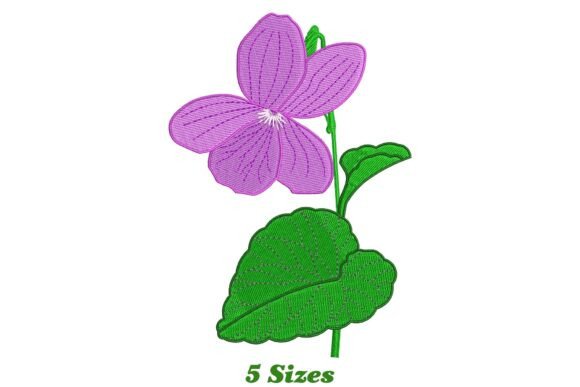
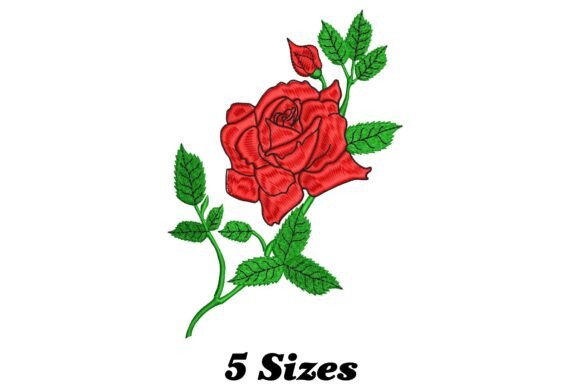
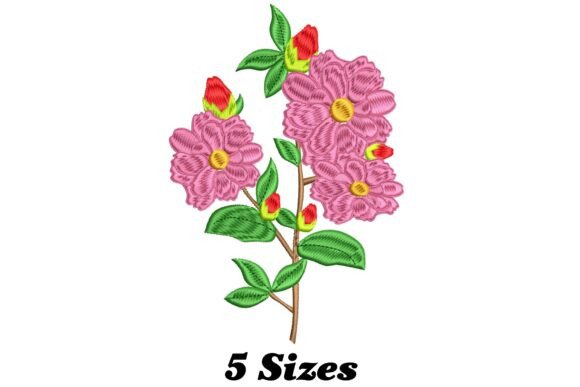
When Romantic Flower appeared on my screen—clean, centered, and softly outlined—I didn’t see “cute.” I saw *considered*. It’s a single-flower design that leans into gentle asymmetry: petals curve outward like breath, not rigidity; the stem bends just enough to suggest movement, not stiffness. There’s no clutter—no filler leaves, no overwrought center detail—and that’s its strength. It reads as handmade, not mass-produced. For crafters building a recognizable aesthetic—think botanical-leaning boutiques, gender-neutral baby lines, or small-batch kitchenware—it lands with quiet confidence. Not flashy. Not fussy. Just quietly lovely.
A Tote Bag Test: Where Romantic Flower Finds Its Footing
Last week, I stitched Romantic Flower onto a natural linen-cotton tote for a local café’s staff gift set. No appliqué, no background fill—just the design alone, 3.8" wide, centered on the front panel. The result? Instant warmth. Customers paused mid-shop to ask, “Who did that?” That’s the signal: Romantic Flower doesn’t shout. It invites touch, conversation, and recognition. It worked because the fabric had body but not stiffness, the hoop size was comfortable (no awkward re-hooping), and the stitch density felt balanced—not so sparse it looked thin, not so dense it buckled the weave. On that tote, it wasn’t decoration. It was identity.
Where It Shines (and Where It Asks for Care)
Romantic Flower thrives in contexts where subtlety adds value:
- Custom apparel: Works beautifully on lightweight sweatshirts and structured tees—especially when placed off-center or along a seam for intentional asymmetry.
- Baby embroidery: Gentle curves and open negative space make it ideal for onesies and burp cloths—no risk of stiff, scratchy fill-stitch clusters near delicate skin.
- Kitchen towels & aprons: Its scale and flow complement functional textiles without overwhelming them. On tea towels, it reads clearly even after repeated washing—provided you use quality thread and proper stabilizer.
- Holiday or wedding gifts: Stitched in ivory thread on oatmeal linen, it reads as heirloom. In blush pink on charcoal twill, it reads as modern romance.
But it’s not universally forgiving. Proceed thoughtfully with:
- Stretchy fabrics: The stem’s gentle curve can distort if tension isn’t dialed in—test on scrap knit first, and consider a light cutaway stabilizer.
- Dark or textured fabrics: Fine petal outlines may soften on heavy terry cloth or deep-navy fleece. Boost contrast with matte thread or add a subtle satin-stitch border (if editing the file is permitted).
- Caps and curved surfaces: The design’s horizontal orientation and lack of tight corners help—but avoid placing it too close to the bill’s curve. Center-front works better than side panels.
- Tiny hoops (under 4"): While scalable, shrinking below ~3" risks losing definition in the inner petal layer. Check how running stitches hold up at smaller sizes—some machines struggle with short, directional jumps.
What It Does for Your Craft Business
Romantic Flower isn’t just a machine embroidery design—it’s a trust-builder. When customers see this level of thoughtful composition on a handmade product, they read craftsmanship, not convenience. Etsy sellers report higher engagement on listings featuring Romantic Flower on pillow covers or personalized baby blankets—especially when shown in natural light, on real fabric, not flat mockups. It also translates well to printable mockups: its clean silhouette holds up in grayscale previews and social thumbnails, helping buyers visualize before purchase.
For small shop owners, it supports brand consistency without locking you into one palette. Try it in monochrome for minimalist branding, or layer it with coordinating stems (if your license permits edits) to build a custom botanical system. And for digital product sellers: its simplicity makes it an excellent anchor design in a Single Flowers bundle—approachable for beginners, refined enough for pros.
Designer Notes You’ll Actually Use
Before stitching Romantic Flower into your next finished product, do these five things:
- Test on scrap fabric—same type, same weight, same stabilizer—as your final project. Watch how the petals settle, not just how they stitch.
- Check thread color contrast in both natural and artificial light. What reads soft in daylight may vanish under store lighting.
- Review stitch density in your embroidery software. If fill areas feel heavy for your fabric, reduce density by 5–10%—Romantic Flower’s charm lives in airiness, not weight.
- Confirm hoop size compatibility with your machine and project surface. If adapting for caps or sleeves, ensure the design fits within your machine’s maximum embroidery area without distortion.
- Verify licensing terms before selling finished items or bundling Romantic Flower as part of a commercial embroidery collection. Some versions allow unlimited physical products but restrict digital resale—don’t assume.
Final Thought: Less Is Truly More
Romantic Flower earns its name—not through cliché roses or overdone lace motifs, but through restraint, rhythm, and quiet intention. It’s the kind of embroidery file that makes clients say, “I didn’t know I wanted that—until I saw it stitched.” Whether you’re stitching a single personalized gift or scaling production for your craft business, this design rewards attention to detail and respects the integrity of your fabric, your time, and your customer’s eye. It doesn’t try to be everything. It simply does one thing, beautifully: invite warmth, one stitch at a time.