Nature’s Wildflower Beauty
A Seasonal Designer’s First Look: Cheerful, Timeless, and Ready for Holiday Gifting
As an embroidery designer who’s built seasonal collections for over a decade—launching holiday lines for Etsy sellers, craft fairs, and small-batch apparel brands—I opened Nature’s Wildflower Beauty with high expectations. What I found was a machine embroidery design that lands perfectly between rustic charm and modern artistry. It doesn’t shout “festive” in the way of candy canes or glittery snowflakes—but it breathes quiet joy, soft nostalgia, and grounded warmth. That makes it unusually versatile across holidays: think Easter brunch linens, Mother’s Day aprons, summer solstice tote bags, Thanksgiving kitchen towels, and even minimalist Christmas ornament bundles.
Why This Bouquet Design Fits Real Holiday Product Needs
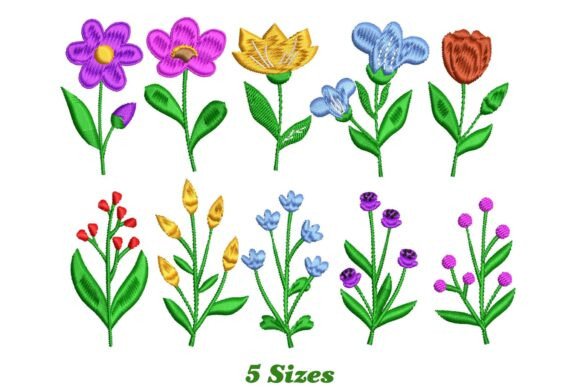
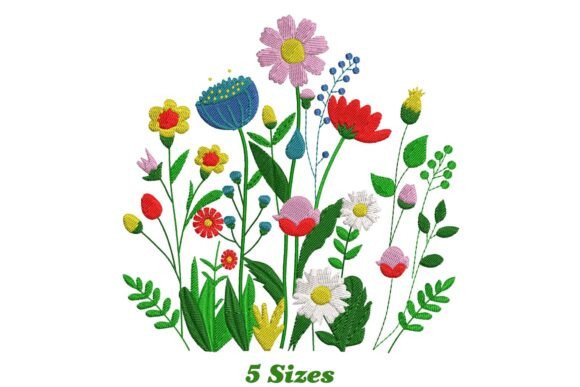
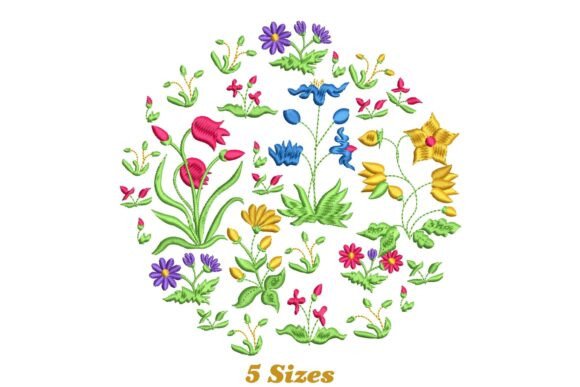
Nature’s Wildflower Beauty reads as both delicate and confident—its floral composition balances open space with intentional detail, avoiding overcrowding while still feeling rich and handmade. The stems have gentle movement; the blooms vary in size and silhouette (daisies, clover-like clusters, slender blossoms), suggesting wild growth rather than rigid symmetry. That organic flow translates beautifully to real-world products:
- Sweatshirt embroidery: Works exceptionally well on raglan sleeves or chest placements—soft enough for cozy family matching sets, bold enough to stand out on heather gray or oatmeal fleece.
- Tote bag design: Scales cleanly from 4” to 6”, holding clarity on canvas or linen blends without losing petal definition.
- Kitchen towel embroidery: Its cheerful tone lifts everyday utility—ideal for holiday hostess gifts or small shop product bundles paired with herbal sugar scrubs or local honey.
- Pillow cover & table linen accents: Adds subtle elegance to neutral backdrops, supporting brand consistency for makers who favor earthy palettes and slow-living aesthetics.
- Embroidered patch: Clean outlines and moderate stitch density make it highly adaptable for iron-on or sew-on patches—great for baby onesies, denim jackets, or gift-ready keepsake boxes.
Where to Use It Thoughtfully (and Where to Pause)
This is not a “set-and-forget” embroidery file. Its charm lies in its texture—and texture demands intention. As a seasoned designer, I recommend caution in these scenarios:
- Small hoop sizes under 4”: The finer stem details and layered petals may compress or lose distinction—always test stitch a corner before full production.
- Thick or napped fabrics like terry cloth towels: Stitch density matters. If your version runs dense, add tear-away + cut-away stabilizer combo to prevent puckering.
- Dark fabric + light thread: The airy composition relies on contrast. Test thread colors on both light and dark fabric—especially ecru, sage, and dusty rose—to preserve depth and readability.
- Stretchy garments (e.g., ribbed knits): Use lightweight cut-away stabilizer and baste first. Avoid placing near side seams or armholes where tension shifts during wear.
- Curved surfaces like ornaments or curved caps: While lovely on flat pillow covers or flat-front aprons, avoid wrapping tightly around small spheres unless you’ve confirmed hoop compatibility and digitizing flexibility.
Emotional Resonance & Holiday Buyer Trust
Holiday shoppers don’t just buy products—they buy meaning, memory, and mood. Nature’s Wildflower Beauty taps into a growing desire for authenticity and calm amid seasonal noise. It feels personal without being overly literal: no words, no dates, no overt symbols—just quiet beauty that invites interpretation. That builds customer trust, especially for Etsy sellers and handmade gift makers whose buyers value intentionality over mass appeal.
In practice, this means stronger engagement on social media previews (think flat-lay mockups with dried lavender and linen napkins), higher perceived value in gift bundles (“Wildflower Kitchen Set” with embroidered towel + wooden spoon + printed recipe card), and smoother integration into brand storytelling—whether you’re a botanical-themed apothecary or a minimalist home goods line.
Practical Designer Notes for Seasonal Rollout
Before adding Nature’s Wildflower Beauty to your holiday lineup, here’s what I do—and recommend you do too:
- Confirm hoop size and stitch density: Review the digital embroidery file metadata. If unstated, stitch a sample and count stitches per square inch—dense fills need more stabilizer; low-density versions breathe better on lightweight cotton.
- Test thread colors across fabric types: A single shade behaves differently on linen vs. combed cotton vs. fleece. Keep a swatch journal—especially for seasonal palettes (moss green, terracotta, sky blue, cream).
- Create realistic mockups—not just digital renders: Print a few physical samples on actual fabric. Lighting, drape, and hand-feel change how customers perceive quality and giftability.
- Review small details post-stitch: Petal tips, leaf veins, and stem taper are easy to miss on screen but critical for premium perception. Zoom in on your finished piece.
- Plan color palettes in advance: Group Nature’s Wildflower Beauty with coordinating solids, prints, or trims—e.g., linen pillow covers + matching embroidered tea towels + woven ribbon bookmarks.
- Verify commercial licensing: If selling finished products (not just the embroidery file), ensure your license permits commercial embroidery use. When in doubt, contact the designer or marketplace directly.
Final Thought: A Quiet Anchor in a Busy Season
In a market flooded with loud, trend-driven holiday embroidery, Nature’s Wildflower Beauty stands out by doing less—and meaning more. It’s not flashy, but it’s memorable. Not complex, but it rewards attention. For small shop owners, Etsy sellers, and crafters building thoughtful seasonal collections, it’s a reliable, emotionally intelligent choice—one that supports handmade gift appeal, repeat buyer connection, and visual cohesion across product categories. Whether stitched on a baby blanket for a spring shower or a linen apron for holiday baking, it brings warmth, character, and quiet celebration—exactly what seasonal embroidery should do.