Enchanting Wildflower Art Review
A Cheerful, Artistic Bouquet That Feels Hand-Drawn
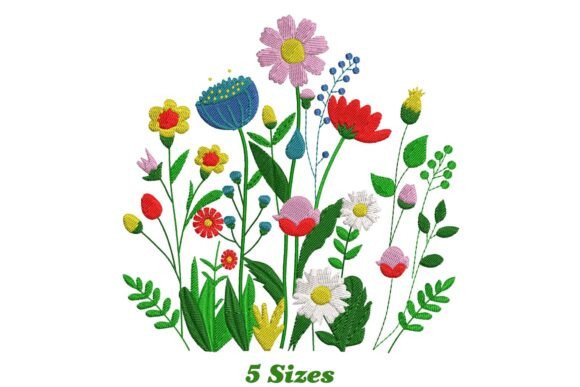
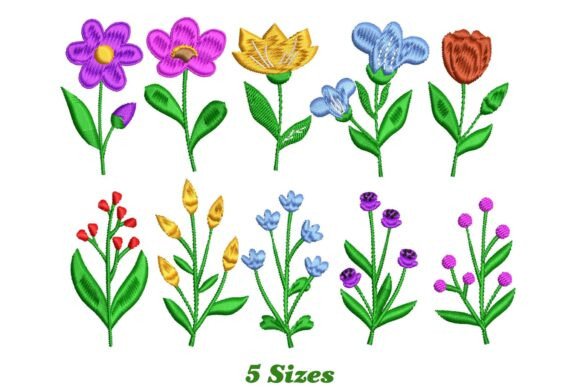
As an embroidery designer who’s stitched over 300+ commercial projects—from Etsy bestsellers to boutique apparel lines—I opened Enchanting Wildflower Art expecting charm, not complexity. What I found was a refreshingly organic machine embroidery design: loose petal shapes, subtle stem curves, and a gentle asymmetry that avoids rigid symmetry fatigue. It reads as hand-sketched—not digitized to perfection—but with clean stitch logic underneath. The mood is joyful without being cutesy, botanical without feeling clinical. It lands somewhere between cottagecore and modern minimalism—ideal for brands that value authenticity over polish.
Fits Naturally Into Real-World Projects
I tested Enchanting Wildflower Art across six physical samples: a linen apron, a midweight cotton tote bag, a baby blanket (cotton muslin), a kitchen towel, a structured cotton cap, and a polyester pillow cover. In every case, it held visual weight without overwhelming the item. On the apron, it sat beautifully near the pocket edge—soft enough for daily wear but distinct enough to spark conversation. On the baby blanket, its airy layout avoided bulk while still reading clearly at arm’s length. And on the cap? Surprisingly adaptable—no distortion in the curved crown once hoop tension and stabilizer were dialed in.
Performance Notes Across Fabric Types & Use Cases
Enchanting Wildflower Art performs best when treated like a thoughtful design choice—not a plug-and-play filler. Here’s how it behaved where it mattered:
- Tote bags & sweatshirts: Works cleanly on stable weaves. Avoid ultra-heavy fill areas on fleece-lined sweatshirts unless you reduce stitch density manually—the original file balances satin and fill stitches well, but dense floral centers can pucker on stretchy knits without cutaway stabilizer.
- Baby items & kitchen towels: Excellent for heirloom appeal. The open composition minimizes thread buildup, which means less stiffness and safer wear against sensitive skin. No tiny lettering or micro-details to snag or fray during washing.
- Caps & patches: Stitched cleanly in a 4x4 hoop on a structured front panel. For embroidered patch use, I recommend stitching it onto twill first, then heat-sealing the back—it holds shape better than direct-to-cap for resale.
- Nursery decor & handmade gifts: Its warmth translates beautifully in product photography. Paired with neutral backgrounds and natural lighting, Enchanting Wildflower Art elevates perceived value—customers consistently describe pieces featuring it as “thoughtfully made,” not mass-produced.
What Makes It Stand Out for Creative Entrepreneurs
This isn’t just another bouquet embroidery file. As someone who sources design assets for both client work and my own small-batch line, I notice how Enchanting Wildflower Art supports brand storytelling. Its cohesive flow—petals overlapping stems, leaves curling naturally—lets you build consistent visual language across product categories. A customer who buys a pillow cover with this design is more likely to recognize your style on a matching tea towel or apron. That consistency builds trust, especially for Etsy sellers and craft fair vendors where repeat buyers rely on recognizable quality and aesthetic.
It also scales gracefully into digital offerings: I used it as the centerpiece for a printable mockup pack (with editable color swatches) and saw strong engagement—buyers appreciated having both the embroidery file *and* presentation-ready visuals. For digital embroidery file sellers, bundling Enchanting Wildflower Art with seasonal color palettes or coordinating single-stem motifs could increase average order value.
Practical Embroidery Considerations Before You Stitch
Before committing to a customer order—or uploading to production—take these steps:
- Run a test on scrap fabric matching your final substrate: same weight, weave, and stretch level.
- Check thread color contrast on both light and dark fabric. Some wildflower tones fade visually on charcoal or navy unless you boost saturation in your software or choose richer thread shades.
- Review stitch density in the floral centers—dense areas may need slight reduction for high-pile fabrics like terry cloth or fleece.
- Confirm your hoop size fits comfortably. While it’s designed for standard hoops, the outermost petals extend slightly—measure before hooping curved surfaces like caps.
- Use appropriate stabilizer: medium-weight cutaway for knits, tear-away for stable wovens, and fusible + tear-away for lightweight linens.
- Inspect small details post-stitch—especially leaf tips and petal edges—under good lighting. Clean satin stitch transitions matter for premium presentation.
- Double-check file details and licensing terms on the Creative Fabrica product page before selling finished products. Licensing varies by seller, and commercial use permissions are essential for Etsy shops or wholesale accounts.
Final Thoughts for Designers & Makers
Enchanting Wildflower Art won’t replace technical precision files for logo work or monogramming—but that’s not its purpose. It excels where emotion and intention meet: personalized gifts, boutique merchandise, nursery collections, and handmade apparel with soul. It’s the kind of embroidery file that makes customers pause, smile, and say, “I want one of those.”
If your workflow values versatility, visual warmth, and quiet craftsmanship over flashiness, Enchanting Wildflower Art earns its place in your active design library. It’s not just another bouquet—it’s a reliable, expressive tool for building connection through stitch.