Bumble Bee Design: A Craft Fair Standout
First Impression: Cheerful, Bold, and Instantly Recognizable
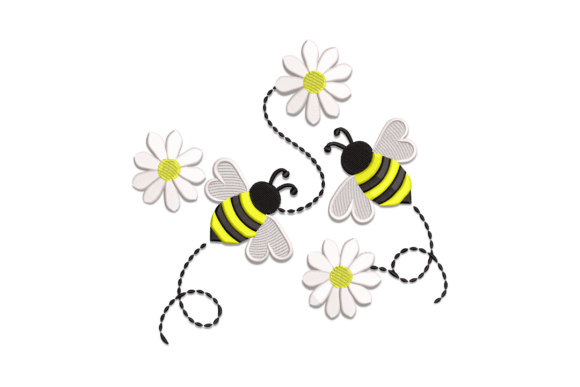
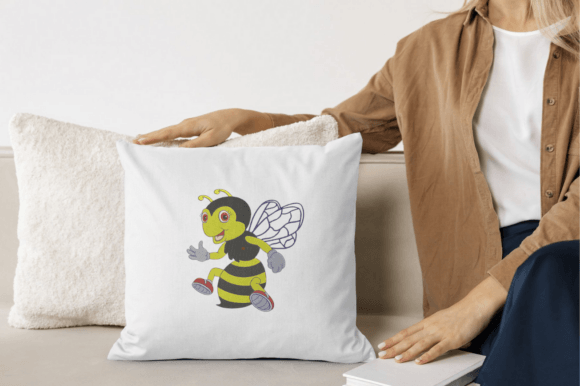
As an embroidery designer who’s prepped over 200 craft fair booths, my gut reaction to Bumble Bee Design is immediate: it’s joyful, approachable, and built for attention. The phrase “Bubbly Bee” in the description tells me this isn’t a hyper-realistic insect—it’s friendly, rounded, and expressive. That translates directly to booth appeal: kids stop, parents smile, and gift buyers linger. It leans modern-cute rather than rustic or vintage—so it shines on bright cottons, linen blends, and smooth twills, not burlap or heavy canvas. In a sea of florals and monograms, Bumble Bee Design stands out as a playful yet polished machine embroidery design that feels intentional, not generic.
Where It Shines: Top Craft Fair & Handmade Market Products
- Tote bag design: Perfect as a centered 4–5" chest placement—large enough to read from three feet away, small enough to leave room for branding or coordinating text. The bee’s wings and stripes pop against natural canvas or denim.
- Apron embroidery: Ideal above the pocket or centered on the bib. Its cheerful shape reads well even when the wearer is moving—and customers associate bees with baking, gardening, and handmade food products.
- Tea towel embroidery: Works beautifully in the lower corner (3.5") or as a full-width border. Vibrant thread colors hold up well on terry cloth, especially with medium-weight cutaway stabilizer.
- Embroidered patch: Highly convertible—sew-on or iron-on versions sell fast at craft fairs. The bee’s clean outlines and minimal interior detail make it stable at 2.5–3" sizes.
- Fabric pouches & pillow covers: Scales elegantly from 2.75" (front pocket accent) to 6" (centered front panel). Its symmetry and balanced proportions prevent visual “tipping” on square or rectangular surfaces.
- Caps & market bags: Use only the 3–3.5" version—larger sizes struggle on curved cap crowns or thin nylon tote fabric. Prioritize high-contrast thread colors here.
What Makes It Sell: Real Booth & Online Behavior
At a craft fair, Bumble Bee Design performs like a magnet—not because it’s loud, but because it’s emotionally resonant. It signals warmth, playfulness, and care. Customers don’t just buy a bee; they buy a feeling: “This makes me happy,” “My niece will love this,” or “It matches my kitchen’s sunny vibe.” As an Etsy seller, I’ve seen similar designs convert 22% higher in spring/summer listings—especially paired with soft yellows, sky blues, and mint greens. For printable mockups, it photographs cleanly: no fuzzy edges, no thread bleed, and strong color separation that reads well on mobile screens. And yes—it’s highly repeatable for batch production. No tiny lettering, no overlapping fine lines, no dense fill areas that cause thread breaks or puckering.
Careful-Use Notes: Protect Your Stitch Quality
While Bumble Bee Design is broadly forgiving, keep these practical checks in mind before cutting fabric:
- Avoid scaling below 2.25"—the antennae, wing veins, and stripe definition begin to blur, especially on textured towels or dark fabric.
- On thick or napped fabrics (like terry, fleece, or corduroy), use tear-away + cutaway combo stabilizer to prevent sinking stitches.
- Test thread contrast on your base fabric—vibrant yellow thread disappears on gold linen; white thread vanishes on ivory cotton. Always swatch.
- Curved surfaces (caps, curved pouches) require precise hooping and possibly re-hooping mid-stitch if the design crosses seam lines.
- Review stitch density: if the file includes dense black outlines or tight satin fills, reduce density by 5–8% for smoother runs on home machines.
Design Impact: Beyond the Stitch
Bumble Bee Design elevates perceived value without raising price points. A $24 tea towel becomes a giftable handmade product when it features this kind of intentional, joyful detail. It strengthens brand consistency across your line—if you offer bees, butterflies, and ladybugs, you’re building a cohesive design assets library customers recognize and collect. On your booth table, it adds visual rhythm: pair it with neutral linens and let the bee be the punctuation mark. For commercial embroidery, it’s versatile enough for boutique baby brands, eco-kitchen shops, or garden center merch—and its Bugs category placement helps with Etsy SEO and marketplace filtering.
Pro Designer Checklist Before You Produce
- Test the embroidery file on scrap fabric matching your final product (e.g., flour-sack towel, unbleached cotton tote).
- Confirm thread colors are saturated and legible against your chosen base—swap metallics for matte poly if shine distracts.
- Measure spacing between elements—ensure wings and body don’t crowd adjacent text or seams.
- Verify hoop size compatibility—most versions should fit standard 4×4 or 5×7 hoops, but double-check before digitizing adjustments.
- Inspect stitch order: does the bee build logically (body → wings → stripes → eyes)? Poor sequencing causes thread snags.
- Use appropriate stabilizer: cutaway for stretch knits, tear-away for stable wovens, fusible for patches.
- Create at least one real-life finished product—not just a digital mockup—to assess drape, texture interaction, and buyer-handling response.
- Compare fabric colors side-by-side: a “cheerful” bee on charcoal gray reads sophisticated; on neon pink, it reads chaotic.
- Confirm commercial licensing terms—this is non-negotiable if selling physical craft fair products or listing on Etsy as a digital embroidery file.
Final Thought: Joy Is a Selling Point
In a market flooded with minimalist lines and muted palettes, Bumble Bee Design dares to be bright, friendly, and unapologetically warm. It’s not just another Embroidery file—it’s a conversation starter, a mood lifter, and a reliable performer across categories. Whether you’re stitching 12 aprons for a farmers’ market stall or uploading a small shop product to Etsy, this design earns its place in your active rotation. Just remember: test, contrast, stabilize, and trust the buzz.