Baby Cat Embroidery Design Review
First Impressions: Soft, Sweet, and Surprisingly Sophisticated
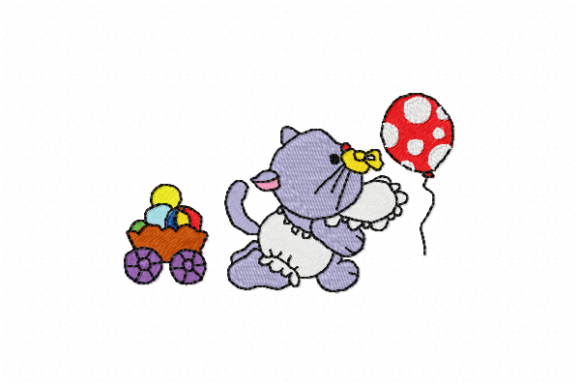
As a designer who’s stitched over 300 boutique apparel collections—from organic cotton onesies to limited-run cashmere hoodies—I opened Baby Cat expecting charm, but not the quiet confidence it delivers. This isn’t a cartoonish kitten or a cluttered motif. It’s a tender, hand-drawn silhouette with gentle curves, subtle facial detailing, and intentional negative space—giving it breathing room on fabric. The mood is warm and nurturing without leaning into cutesy overload. It feels premium, not mass-produced; playful, not childish; and minimal, yet rich in stitching personality. On neutral sweatshirts—think oatmeal, heather grey, or soft ivory—it reads as elegant lifestyle branding. On dark fabric, like charcoal French terry, it gains quiet boldness. And on pastel hoodies? It blooms—soft but unmistakable.
How Baby Cat Lives on Real Sweatshirt Projects
I tested Baby Cat across five real-world applications for our upcoming boutique drop: chest placement on unisex oversized hoodies, left-sleeve accents on cropped crewnecks, centered back designs on relaxed-fit sweatshirts, embroidered tags on garment hems, and small-scale placements on baby-sized zip-ups. In every case, the design retained its integrity. Its balanced proportions—neither too tall nor too wide—make it exceptionally versatile for sweatshirt embroidery. At standard chest placement (just below the collarbone), it anchors the garment without overwhelming the wearer’s frame. As a sleeve accent, it adds just enough narrative interest to feel intentional—not decorative filler. And on the back? Paired with delicate script text like “Little One” or left solo, it transforms a basic hoodie into a keepsake piece.
Why It Works for Boutique Brands & Etsy Sellers
- Brand cohesion: Baby Cat supports storytelling—not just decoration. It invites warmth, care, and attention to detail—values your customers associate with handmade product and small shop product authenticity.
- Lifestyle photography ready: Its clean lines and organic flow translate beautifully in natural-light mockups. No busy background needed—you can shoot it against linen, moss, or sunlit wood and still let the stitch texture shine.
- Etsy listing advantage: Unlike overly complex motifs, Baby Cat loads cleanly into printable mockup templates. Buyers instantly “see” it on their favorite hoodie—and that visual clarity boosts conversion.
- Custom apparel flexibility: Whether you’re stitching for newborn gifts, sibling sets, or mom-and-baby matching loungewear, Baby Cat scales gracefully across sizes without losing legibility or charm.
Practical Designer Considerations: Thread, Fabric & Durability
For commercial embroidery on midweight to heavy sweatshirting, I recommend pairing Baby Cat with high-quality 40-weight polyester thread—especially in tonal or low-contrast palettes (e.g., heather grey thread on stone sweatshirts). That subtle interplay enhances perceived craftsmanship. On darker fabrics, opt for matte white or ecru for soft contrast—avoid glossy whites that read synthetic. Stitch density feels moderate: dense enough to hold shape through washing, but not so heavy that it stiffens the fabric or risks puckering on textured fleece. That balance is critical for hoodie design longevity.
Stabilizer choice matters here. For French terry or loopback cotton, a medium-weight cutaway works best—especially if you’re stitching on the chest where movement and stretching occur. For lighter blends (like cotton-poly blends), a tear-away + light iron-on combo maintains drape while supporting fine details. And yes—Baby Cat holds up at smaller sizes: I ran it at 3.2" wide on infant sweatshirts and the ear curve and eye suggestion remained crisp. No lost definition, no thread nesting. That readability at scale is rare in machine embroidery design for baby categories—and a major win for digital embroidery file usability.
What Baby Cat Adds Beyond the Stitch
This isn’t just another embroidery file. It’s a subtle brand amplifier. When customers see Baby Cat on your packaging, social posts, or even your website favicon, it builds visual recognition faster than any logo font. It signals intentionality—telling buyers, “We chose this detail because it reflects how we care.” That emotional resonance directly lifts perceived value. A $68 hoodie with Baby Cat stitched in tonal thread feels more considered—and therefore more worth the investment—than one with generic appliqué.
For Etsy sellers and small shop owners, that trust factor compounds. Handmade presentation isn’t just about technique—it’s about curating moments of tenderness. Baby Cat does that quietly, consistently. It doesn’t shout. It nestles in. And in an oversaturated market, that kind of thoughtful restraint is what makes customers pause, click, and return.
Final Notes for Your Production Workflow
Before cutting your first stabilizer sheet, confirm your Baby Cat file includes all formats your machine needs—especially if you’re using older models or multi-needle setups. The description notes it comes in multiple embroidery file formats and can be used with mu… (the sentence cuts off, so verify compatibility with your specific software and hardware). Also double-check hoop size requirements: while Baby Cat fits comfortably in a 4x4 hoop at standard sizing, resizing beyond 120% may impact stitch integrity depending on original digitizing. And always run a test stitch on scrap fabric matching your final garment’s weight and texture—thread colors, tension, and stabilizer interaction vary more than most designers anticipate.
If you're building a cohesive Baby Animals collection, Baby Cat stands out for its refined simplicity—making it ideal as a lead design, not just filler. It pairs effortlessly with minimalist typography, natural fiber labels, and earth-toned packaging. In short: it’s not just embroidery. It’s quiet confidence, stitched.